
Concrete Slab Types We Pour in Hervey Bay
We handle the full range of concrete slab work across Hervey Bay and the Fraser Coast — residential, commercial, and everything in between. Below is a breakdown of the slab types our team pours regularly across the region.
- House Slabs — structural slabs for new residential builds, engineer-designed and poured to specification
- Shed Slabs — domestic and industrial shed floors sized to the load requirements of the application
- Garage Slabs — single and double garage pads with the right thickness and finish for vehicle traffic
- Commercial Floor Slabs — warehouse, retail, and industrial floors engineered for load classification and use
- Hardstand Areas — heavy-duty outdoor slabs for vehicle access, equipment storage, and logistics operations
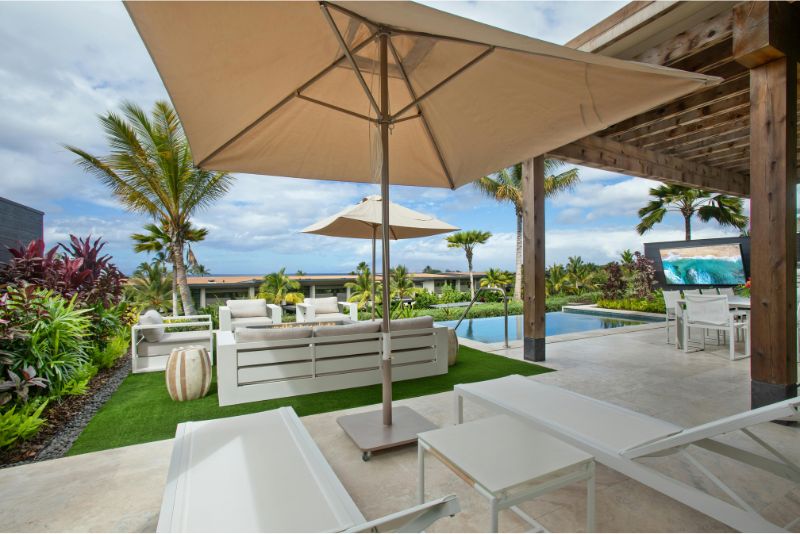
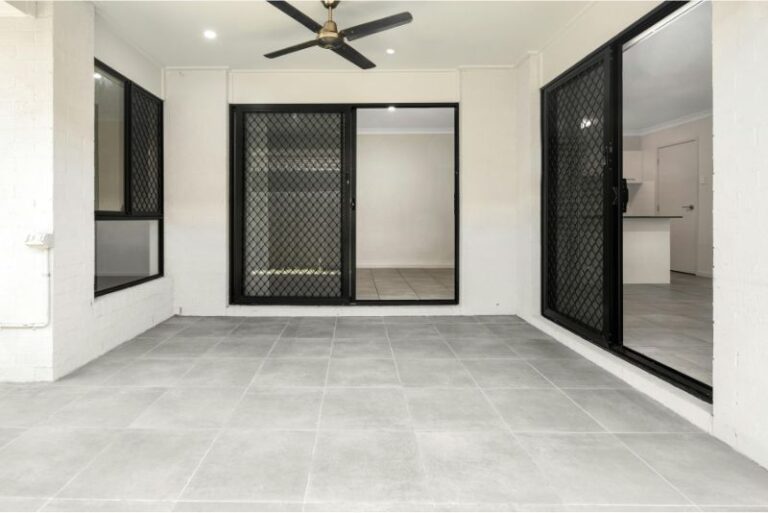
- Patio and Outdoor Slabs — residential entertainment areas, alfresco pads, and pool surrounds finished to suit the space
- Carport Slabs — standalone or attached carport bases poured to the correct depth and reinforcement spec
Each slab type has its own preparation, reinforcement, and mix design requirements — and we approach every one of them accordingly.

What Goes Into a Quality Concrete Slab
A quality concrete slab starts long before the truck arrives on site. Site preparation and subbase compaction are the foundation of everything that follows — the ground beneath your slab needs to be properly excavated, levelled, and compacted to a consistent density before a single piece of formwork goes down. Where the subsoil conditions call for it, we bring in engineered fill to build up a stable, uniform base that gives the slab the support it needs over the long term.
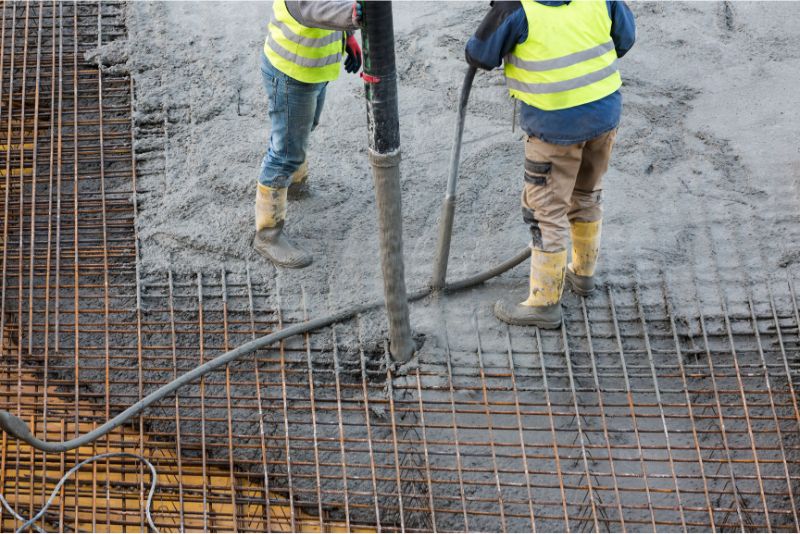
From there, vapour barriers are laid to protect the slab from moisture migration, and steel reinforcement or mesh is placed to specification based on the application — whether that’s SL72 mesh for a domestic shed floor or engineered bar for a structural house slab. Getting the reinforcement right is what gives the slab its tensile strength and keeps it from cracking under load or ground movement.
The final piece is concrete mix design — the right mix for the application, the right slump for site conditions, and controlled finishing and curing to bring the full strength out of the pour. Every element works together, and skipping any one of them shows up sooner or later.
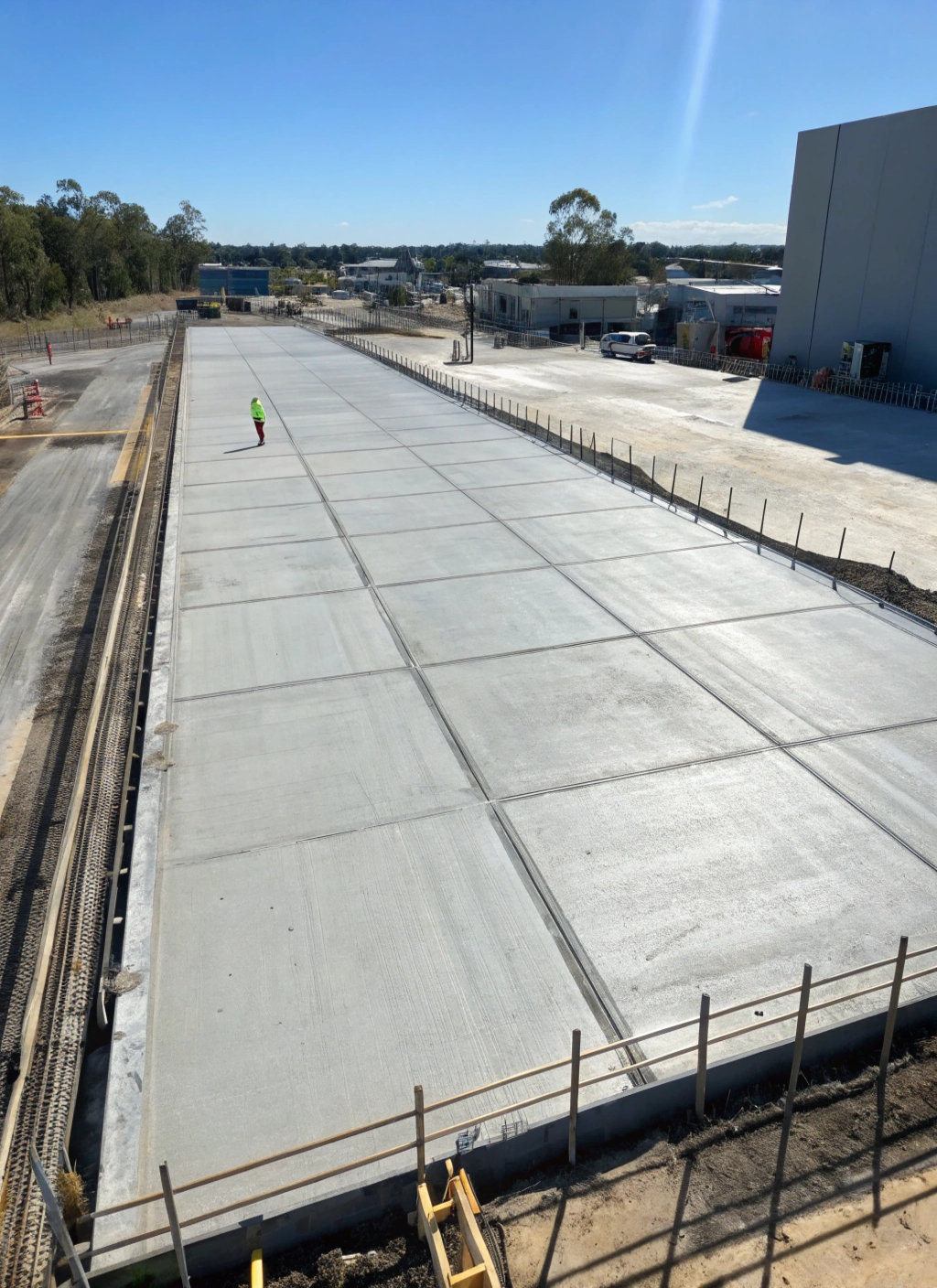
Commercial Concrete Slabs Hervey Bay
Commercial concrete slabs across the Fraser Coast demand a higher level of specification than a standard domestic pour — heavier loads, larger surface areas, tighter tolerances, and in many cases, engineer-designed documentation required before a slab can be approved. We work with commercial operators, builders, and developers across Hervey Bay and the broader Fraser Coast region, delivering industrial and commercial floor slabs that are built to perform under the demands of the application.
Whether it’s a warehouse floor, a retail slab, a commercial shed base, or a hardstand area for vehicle and equipment access, we spec the project properly from the start — the right slab thickness for the load classification, the correct reinforcement layout, and a concrete mix design suited to the intended use. Commercial slabs that carry forklifts, heavy plant, or racking systems need to be engineered for those loads, and we make sure the documentation and the pour both reflect that.
Finishing and joint placement on large commercial floors are just as important as the structural side — control joints in the right locations prevent random cracking, and the right surface finish keeps the floor functional and safe over time. If you’re pricing a commercial concrete slab on the Fraser Coast, talk to our team for a free assessment and quote.
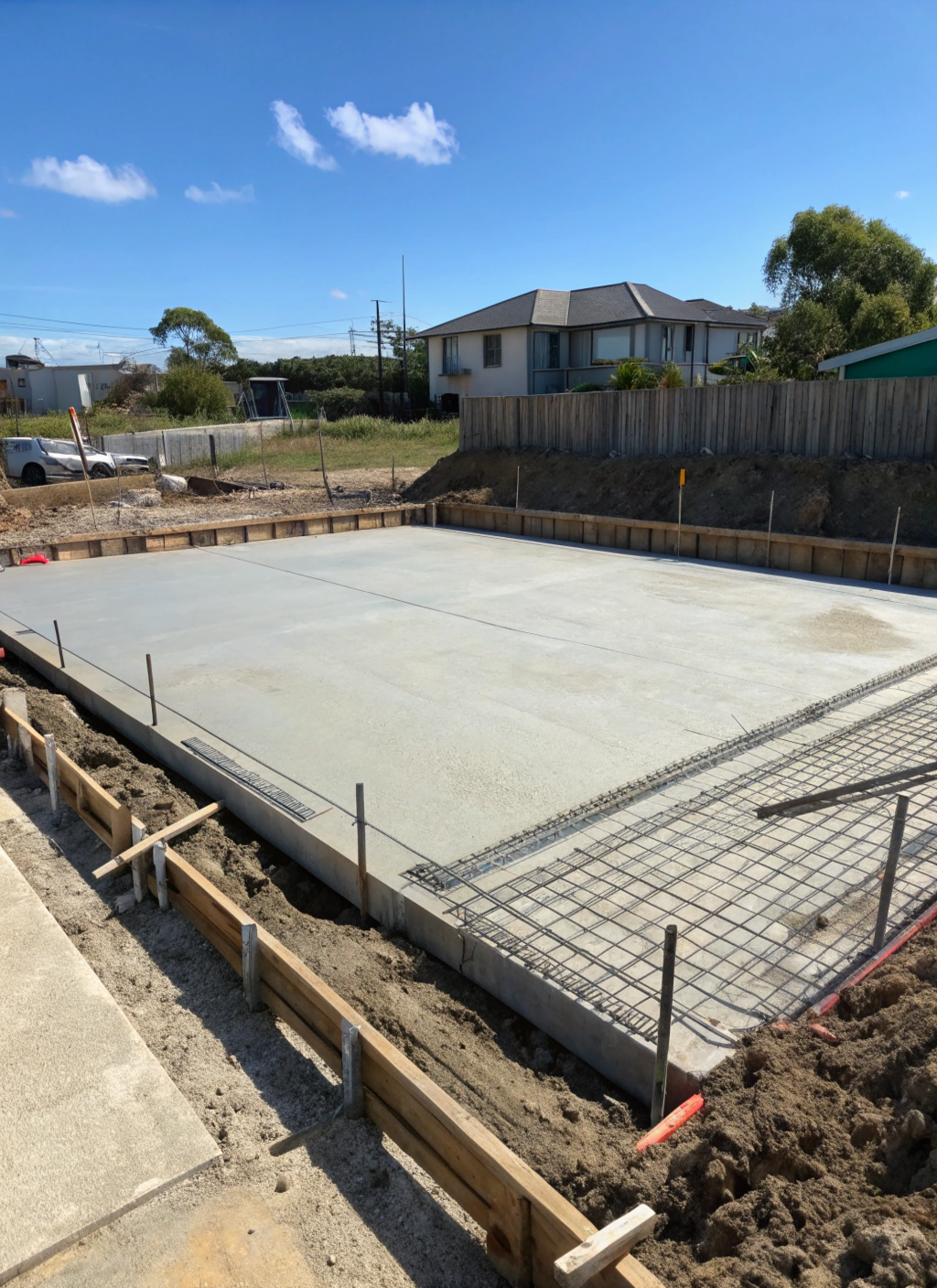
House Slabs and Shed Slabs Hervey Bay
House slabs and shed slabs are two of the most common concrete pours we handle across Hervey Bay and the Fraser Coast — and while they share the same fundamentals, each one has its own set of requirements that need to be met to get the outcome right.
A house slab in Hervey Bay is a structural element of the build, and it needs to be treated that way. That means engineer-designed documentation, soil classification testing, the correct slab thickness and reinforcement layout for the site conditions, and a concrete mix that meets the strength requirements specified on the engineering drawings. Hervey Bay’s sandy coastal subsoils vary significantly across the region, which is why a proper site assessment before the pour is not a step we skip.
Shed slabs carry a different set of requirements — but they still need to be done properly. The slab thickness and reinforcement spec depend on what the shed is being used for. A garden storage shed sits on a lighter slab than a boat storage shed or a workshop carrying vehicle loads and heavy equipment. We size the reinforcement and mix design to match the actual use so the slab holds up the way it needs to.
Both applications benefit from proper subbase preparation, vapour barriers, and controlled curing, and both are poured by our team with the same attention to detail, regardless of the project size. Get in touch for a free quote on your house or shed slab in Hervey Bay.
Steel Reinforcement and Mesh to Specification
The reinforcement inside a concrete slab is what carries the tensile load — concrete handles compression well on its own, but without steel, it has limited capacity to resist cracking under load or ground movement. We lay reinforcement to specification on every slab we pour across Hervey Bay and the Fraser Coast, matched to the application and the engineering requirements of the project.
| Slab Type | Typical Reinforcement | Application |
|---|---|---|
| Garden / light storage shed | SL72 mesh | Light foot traffic and static loads |
| Garage/carport | SL82 mesh | Vehicle loads and regular traffic |
| House slab | Engineered bar to drawing | Structural residential application |
| Workshop/boat shed | SL92 mesh or bar | Heavy equipment and vehicle loads |
| Commercial floor slab | Engineer-specified bar | Load-classified industrial use |
| Hardstand / heavy vehicle | Thickened edge + bar | Plant, forklift, and logistics loads |
Reinforcement is placed at the correct height within the slab depth using bar chairs — keeping the steel in the right position through the pour is just as important as specifying the right product. Every slab we pour is reinforced to match what the application actually demands.
Site Preparation and Subbase Compaction
Site preparation is where the quality of a concrete slab is either built in or compromised — and it’s the part of the process that’s hardest to fix once the pour is done. We treat every slab project on the Fraser Coast with a ground-up approach, starting with a proper assessment of what’s underneath before anything else happens on site.
The preparation sequence starts with excavation to the correct depth for the slab application — accounting for formwork height, subbase layer, vapour barrier, and the slab thickness itself. Once excavated, the subgrade is checked for consistency, and any soft or unstable material is removed and replaced with engineered fill compacted in layers to the required density. Skipping this step on Hervey Bay’s sandy or variable coastal subsoils is one of the most common reasons slabs develop settlement cracks and uneven surfaces down the track.
Subbase compaction is tested, not assumed. We comply with the specification required for the application — a patio slab and a commercial hardstand have different compaction requirements, and we meet both. Once the subbase is signed off, formwork is set to the correct levels, the vapour barrier is laid, and reinforcement is placed before the pour is scheduled. Getting this sequence right is what gives the finished slab its stability and longevity in Hervey Bay’s coastal environment.
Weather plays a significant role in concrete work, especially in Hervey Bay’s coastal climate. Temperature extremes can affect how quickly concrete sets and cures, while rain presents challenges that might require rescheduling. High humidity levels can alter drying times, and strong winds may demand additional protection during curing.
Our experience with local conditions means we can advise on the best timing for your project throughout the year. We implement appropriate measures to protect your concrete during vulnerable stages and monitor forecasts closely to ensure optimal results.
Frequently Asked Questions — Concrete Slabs Hervey Bay
Slab pricing depends on size, thickness, reinforcement spec, and site conditions. Hervey Bay’s variable subsoils can affect preparation costs. We provide free, itemised quotes so you know exactly what you’re paying for before work begins.
Thickness depends on the application. A light shed floor typically runs at 100mm, a garage slab at 100–125mm, and a house slab to engineer specification. We size every slab to match the load requirements of the project.
House slabs and most commercial slabs require engineer-designed documentation in Queensland. Smaller domestic slabs like shed floors and patios generally don’t. We’ll advise you on what’s required for your specific project during the quoting process.
Concrete reaches workable strength within 24–48 hours but takes 28 days to reach full structural strength. We recommend keeping foot traffic off for at least 24 hours and vehicle traffic off for a minimum of seven days.
We specify a mix design suited to the coastal environment — typically a 25–32MPa mix with a low water-to-cement ratio to reduce porosity. This limits moisture and salt penetration that can corrode embedded steel over time.
A vapour barrier is a plastic membrane laid beneath the slab to prevent ground moisture from migrating upward through the concrete. We install vapour barriers on all enclosed slabs — sheds, garages, and house slabs — as standard practice.
We avoid pouring concrete during rain as water can compromise strength and finish. Our team carefully monitors weather forecasts and schedules projects to ensure optimal conditions.
Contact Our Concrete Specialists
Ready to discuss your concrete slab project? Our team is here to help:
Phone: 0741449742
Email: info@concretersherveybay.com
Office Hours: Monday to Friday, 7:00 AM – 5:00 PM
We offer free consultations and estimates to help you understand the options and costs for your specific needs. Please provide details about your project scope, location, and timeline for a prompt response.
