
What Is Coloured Concrete?
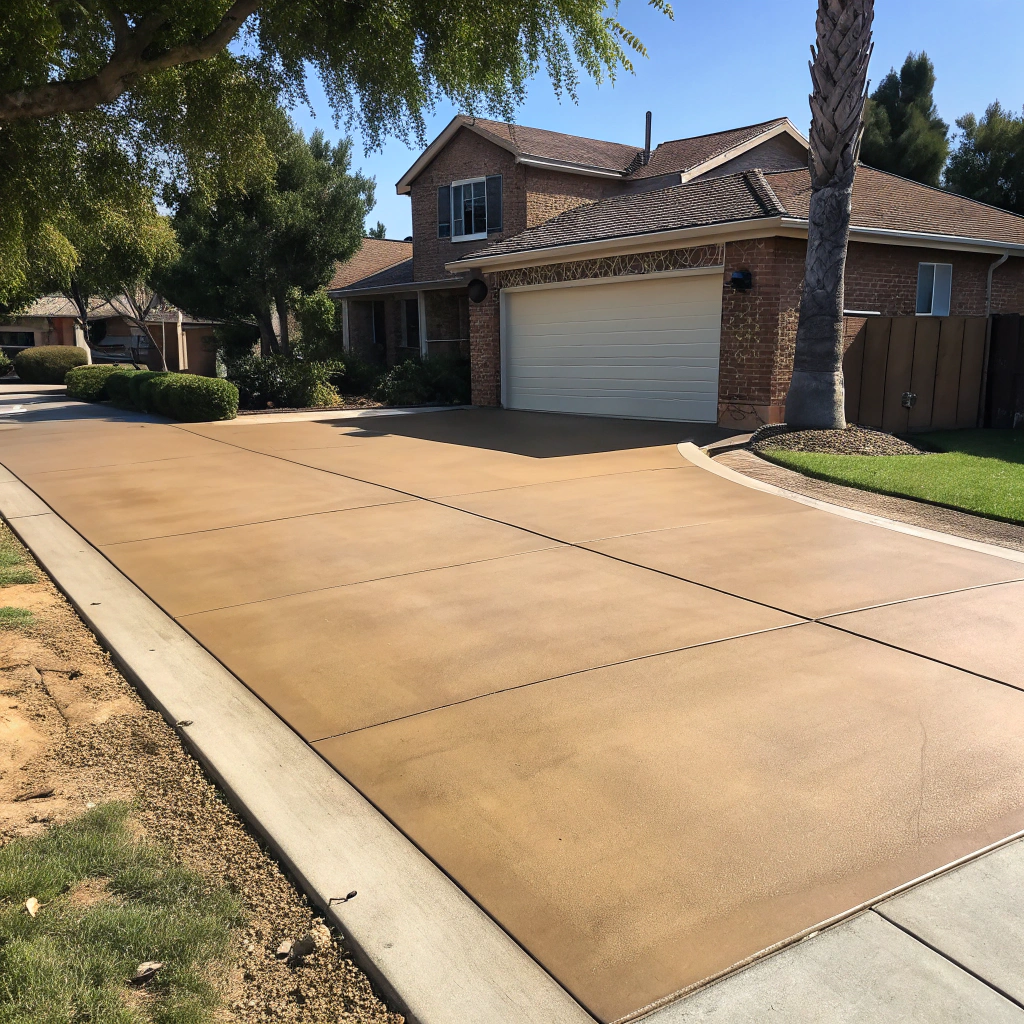
Coloured concrete is standard concrete enhanced with integral pigments — typically iron oxides — added directly to the mix before pouring. Unlike surface-applied colour systems, the pigment runs through the full depth of the slab, so the colour won’t chip, peel, or wear away over time.
Used across driveways, patios, pool surrounds, and pathways, coloured concrete offers:
- Consistent, through-body colour that holds up under heavy foot and vehicle traffic
- Fade-resistant finishes suited to Queensland’s high UV exposure
- A broad palette of earths, oxides, and neutrals to complement any home exterior
- Compatibility with other decorative techniques including exposed aggregate and stamped finishes
- Low ongoing maintenance when correctly sealed after installation
For Hervey Bay homeowners, coloured concrete is a practical and attractive alternative to plain grey — delivering the look of premium paving at a concrete price point.

How Coloured Concrete Gets Its Colour
There are two main ways colour gets into a concrete slab. Which one we use depends on the application, the finish you’re after, and where the concrete is going.
Integral Pigments
Integral pigments are mixed directly into the concrete before it’s poured. The colour runs through the full depth of the slab — so even if the surface wears over time, the colour stays consistent. This is the standard approach for driveways, patios, pool surrounds, and most residential applications. Iron oxide pigments are the most common type used — they’re stable, UV-resistant, and available in a wide range of earths, neutrals, and charcoals.
Colour Hardeners
Colour hardeners are applied to the surface of freshly poured concrete and worked in during finishing. They produce a more intense, consistent colour on the top layer and also increase surface hardness and density. Colour hardeners are often used on feature areas, stamped concrete applications, or where a stronger colour payoff is needed than integral pigment alone can deliver.
| Integral Pigment | Colour Hardener | |
|---|---|---|
| Where colour sits | Full depth of slab | Surface layer |
| Best for | Driveways, patios, slabs | Stamped work, feature areas |
| Colour intensity | Consistent, mid-range | Strong, high-impact |
| Surface hardness | Standard | Increased |
| Typical use | Most residential jobs | Decorative applications |
Choosing the Right Colour for Your Hervey Bay Home
Colour selection is where most homeowners spend the most time — and it’s worth getting right before a single truck rolls up.
Available Colour Range
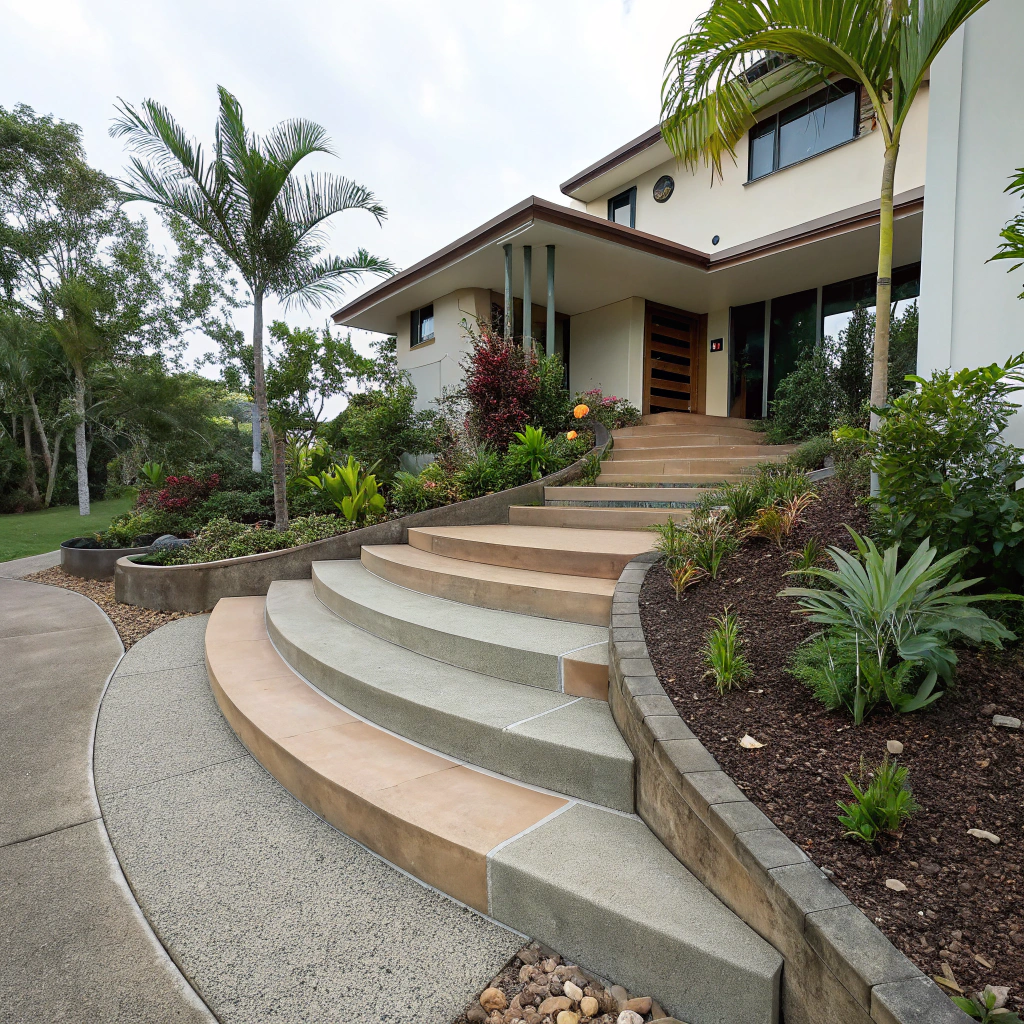
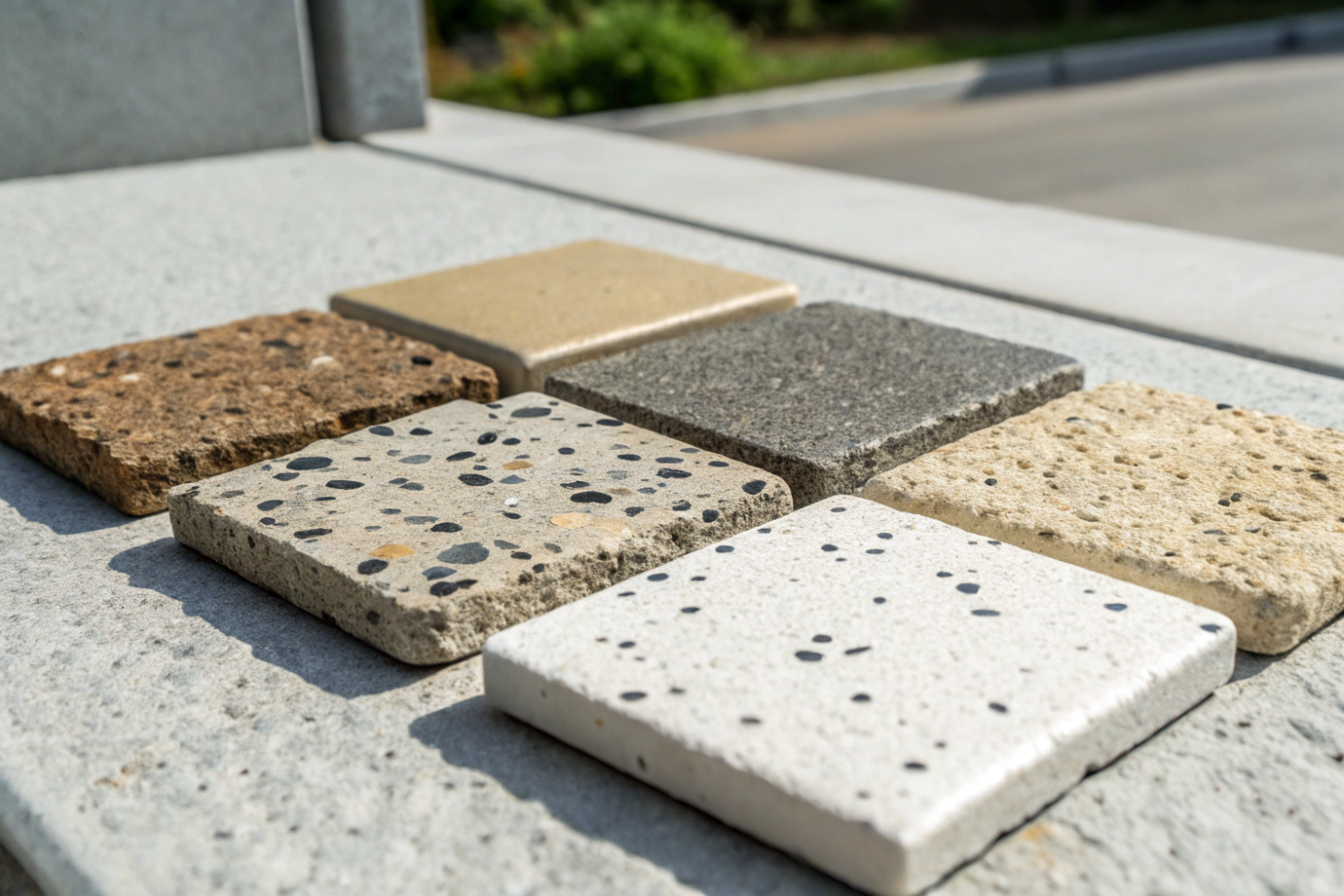
The standard palette for coloured concrete runs across earths, oxides, neutrals, and charcoals. Warm tones like sandstone, terracotta, and straw work well with Hervey Bay’s brick-and-tile housing stock. Cooler neutrals and charcoals suit more contemporary homes or those with light-coloured render. Deeper oxides — chocolate, slate, and ironbark tones — are popular for driveways and pool surrounds where a stronger contrast is the goal.
Wet vs Cured Appearance
Freshly poured coloured concrete always looks darker than the finished result. As the slab cures and dries over the following days, the colour lightens noticeably. Once sealed, it will deepen slightly again. This catches a lot of homeowners off guard — so we always show cured samples rather than wet concrete when discussing colour options.
Sample Panels
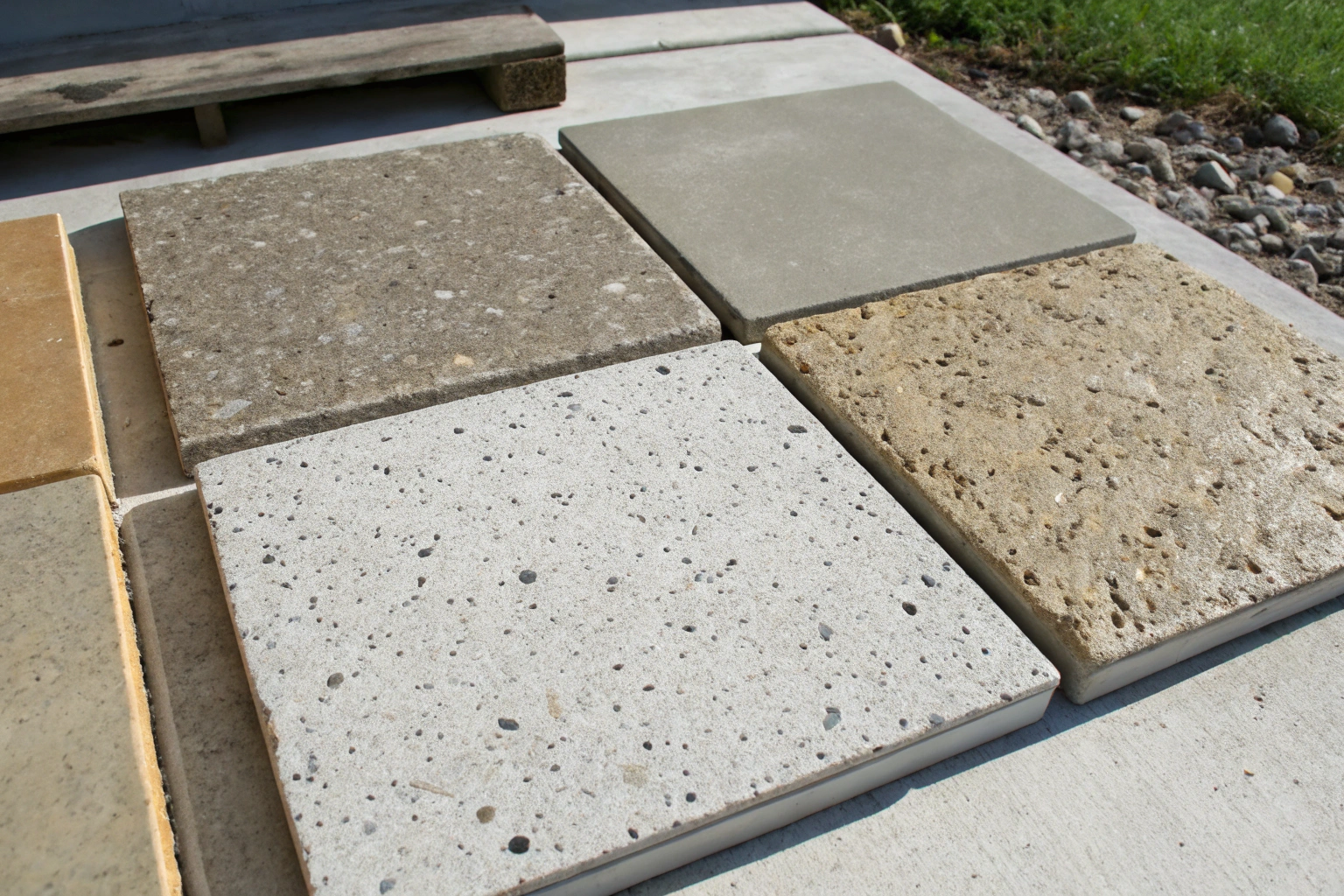
The best way to choose a colour is to see it in context — next to your home’s exterior, in your actual light conditions, at the time of day you’re most likely to be looking at it. We recommend assessing sample panels on-site before committing to a colour. What looks right in a brochure or on a screen can read quite differently against a cream brick wall or a Colorbond fence in full Queensland sun.
Where Coloured Concrete Works Best
Colour adds something to almost any concrete surface around the home. These are the applications we pour most often for Hervey Bay homeowners.
Driveways — The right colour ties your home’s exterior, fencing, and landscaping together into a finished, cohesive streetscape.
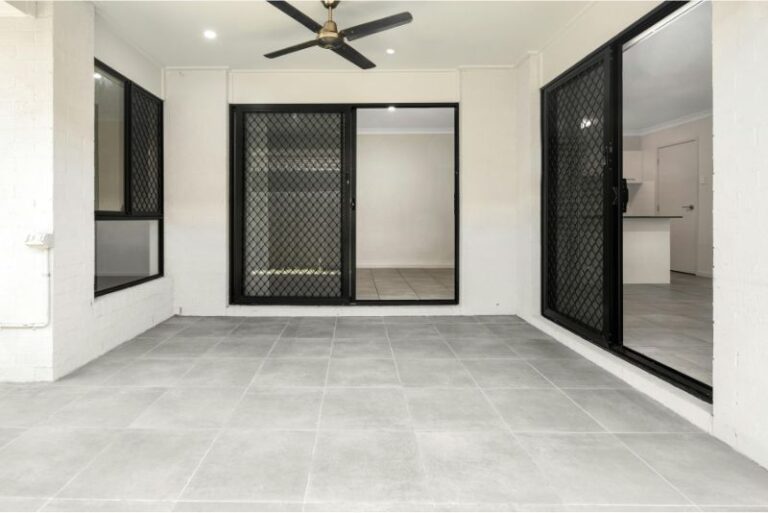
Patios and alfresco slabs — Gives your outdoor living area a considered feel without the cost or maintenance of pavers.
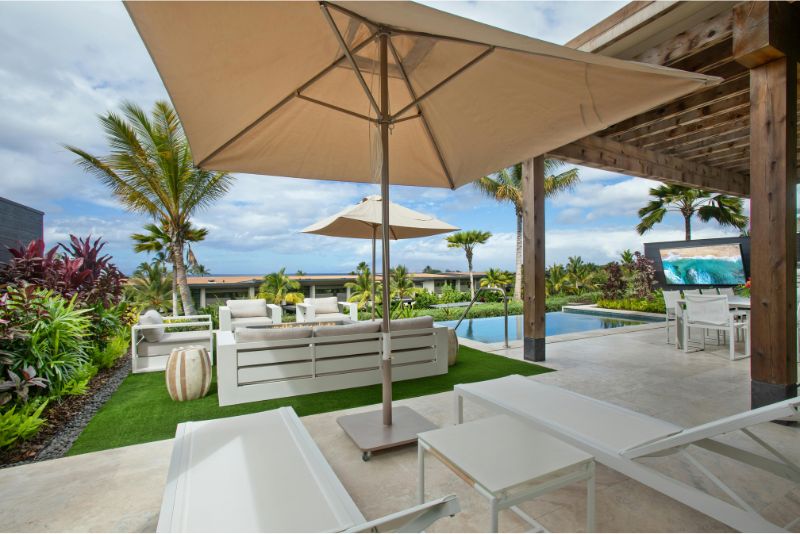
Pool surrounds — Lighter tones stay cooler underfoot. Deeper tones contrast against the water. Either way, it looks deliberate.
Pathways — Side paths and entry walkways poured in a matching colour create a consistent finish across the whole property.
Garage floors — Often combined with a colour hardener finish for a denser, easier-to-clean surface that lifts an otherwise purely functional space.
Combining Coloured Concrete With Other Decorative Finishes
Coloured concrete doesn’t have to stand alone. The two most common combinations we use are:
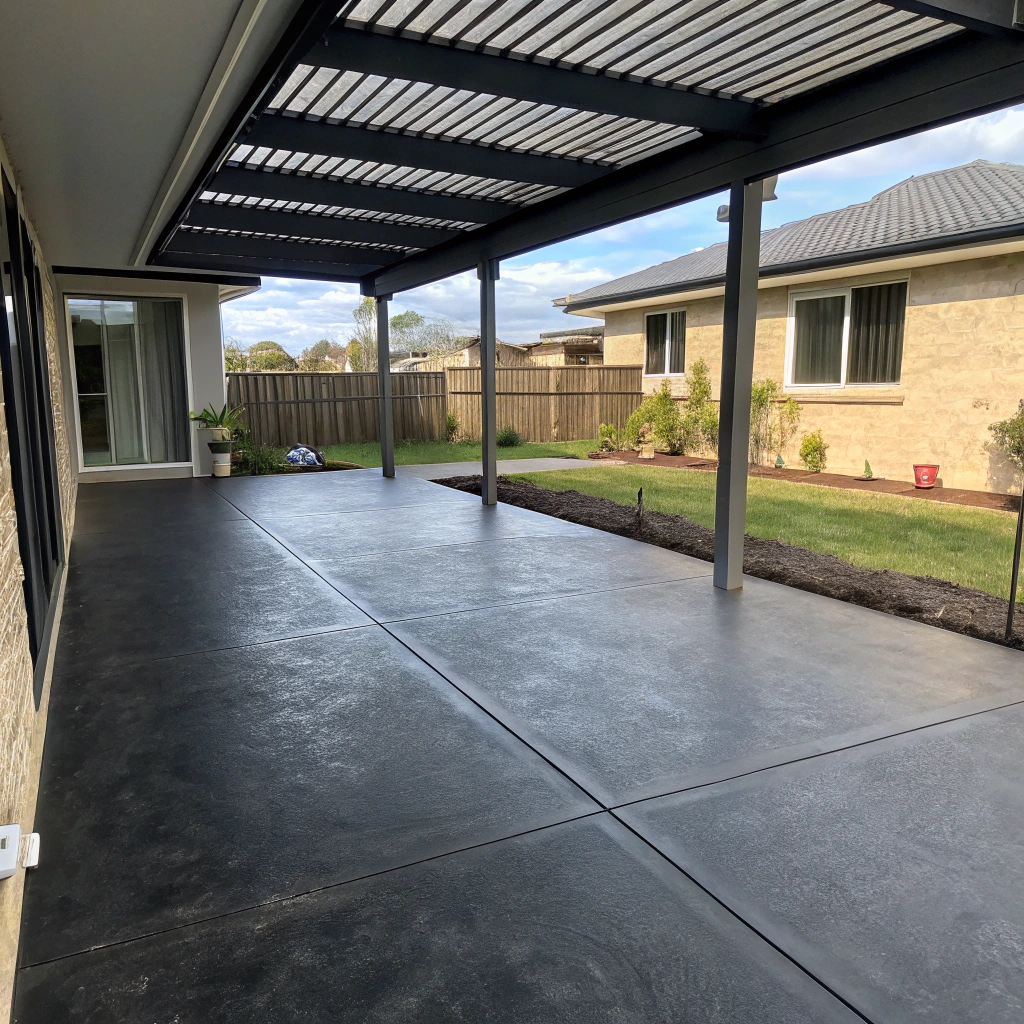
Coloured base with exposed aggregate finish — The concrete is mixed with integral colour and then the surface is finished with exposed aggregate. The colour shows through the aggregate matrix, giving the finished slab more depth and visual interest than standard grey aggregate. The result is a surface that’s both decorative and highly slip-resistant — well suited to pool surrounds and driveways.
Coloured concrete with stamped pattern — A stamped pattern is pressed into the coloured slab during finishing, creating the appearance of pavers, slate, or stone. Colour hardeners are often applied alongside the stamp to intensify the surface tone and highlight the pattern detail. The result is a high-impact decorative finish at well below the cost of the real thing.
Both combinations are available across all standard applications — driveways, patios, pool surrounds, and pathways. If you’re considering either finish, we cover both in detail on our exposed aggregate and stamped concrete service pages.
How Coloured Concrete Performs in Hervey Bay’s Coastal Climate
Hervey Bay’s environment is harder on outdoor surfaces than most parts of Queensland. Here’s what that means for coloured concrete.
UV Exposure
Queensland’s UV intensity fades and degrades unsealed concrete surfaces over time. A quality sealer applied after installation protects the pigment and keeps the colour looking consistent for years.
Salt Air
Properties close to the water are exposed to salt air year-round. Salt accelerates surface breakdown and can affect embedded steel over time. Sealing coloured concrete at installation — and resealing on schedule — is the straightforward fix.
Queensland Rainfall
Heavy summer rainfall tests surface drainage and finish durability on every outdoor slab. A correctly finished and sealed coloured concrete surface sheds water cleanly without surface erosion or colour bleed.
Sealing and Maintaining Your Coloured Concrete
Why Sealing Matters for Coloured Concrete
Sealing locks in the pigment, protects the surface from UV, salt air, and moisture, and brings out the full depth of the colour. Without it, coloured concrete will fade and degrade faster than it should.
Ongoing Maintenance
Day-to-day maintenance is straightforward. Regular sweeping and an occasional wash down with a hose is all most slabs need. Avoid harsh chemical cleaners — they break down the sealer over time. Resealing every few years, depending on traffic and exposure, keeps the surface protected and the colour looking its best.
What to Expect From the Coloured Concrete Process
Initial consultation and colour selection — We discuss your surfaces, your home’s exterior palette, and your preferred finish. Sample panels are reviewed on-site before any colour is confirmed.
Site preparation — Existing surfaces are cleared, ground is excavated and compacted, formwork is set, and steel reinforcement is laid to the correct depth and spacing.
Pour and finish — Concrete is mixed with your chosen integral pigment and poured. Surface finishing — whether broom, smooth, exposed aggregate, or stamped — is completed while the concrete is still workable.
Curing period — The slab needs time to cure properly before it can be walked on or driven over. Rushing this stage affects both strength and colour consistency.
Final seal — Once fully cured, the slab is sealed. This is the step that protects the colour, brings out the finish, and sets the slab up for long-term performance.
Frequently Asked Questions
Yes. With integral pigment, the colour is mixed directly into the concrete before pouring, so it runs through the full depth of the slab. It won’t chip or wear away from the surface.
We work with a broad palette of earths, oxides, neutrals, and charcoals. If you have a specific colour in mind, we can usually find something close. We recommend reviewing sample panels on-site before making a final decision.
No — and this catches a lot of people off guard. Wet concrete always looks darker than the cured result. The colour lightens as it dries, then deepens slightly once sealed. We always show cured samples so you know exactly what to expect.
There is an additional cost for pigment, but it’s not dramatic. The overall price difference depends on the colour chosen, the volume of concrete, and the finish type. We go through all of this in the quoting process.
Yes. Sealing protects the pigment from UV, salt air, and moisture. Without it, the colour will fade faster and the surface will degrade sooner than it should. We seal every coloured concrete job we pour.
A correctly mixed, poured, and sealed coloured concrete slab holds its colour for many years. Resealing every few years — depending on traffic and exposure — keeps it looking its best long term.
Get a Free Coloured Concrete Quote in Hervey Bay
If you’re planning a new driveway, patio, pool surround, or slab and want a finish that actually complements your home, we’d be glad to help.
Coastal Concreters Hervey Bay works across Urangan, Pialba, Eli Waters, Torquay, and the wider Fraser Coast. We offer free on-site quotes and can walk you through colour options, finish combinations, and what suits your specific block and budget before any work begins.
Call us today or fill out our quote request form to get started.
Phone number: 0741449742
We service: Hervey Bay, Urangan, Pialba, Eli Waters, Torquay, and the Fraser Coast region.
